Periodontal Treatment Ventura for Long-Term Gum Disease Control
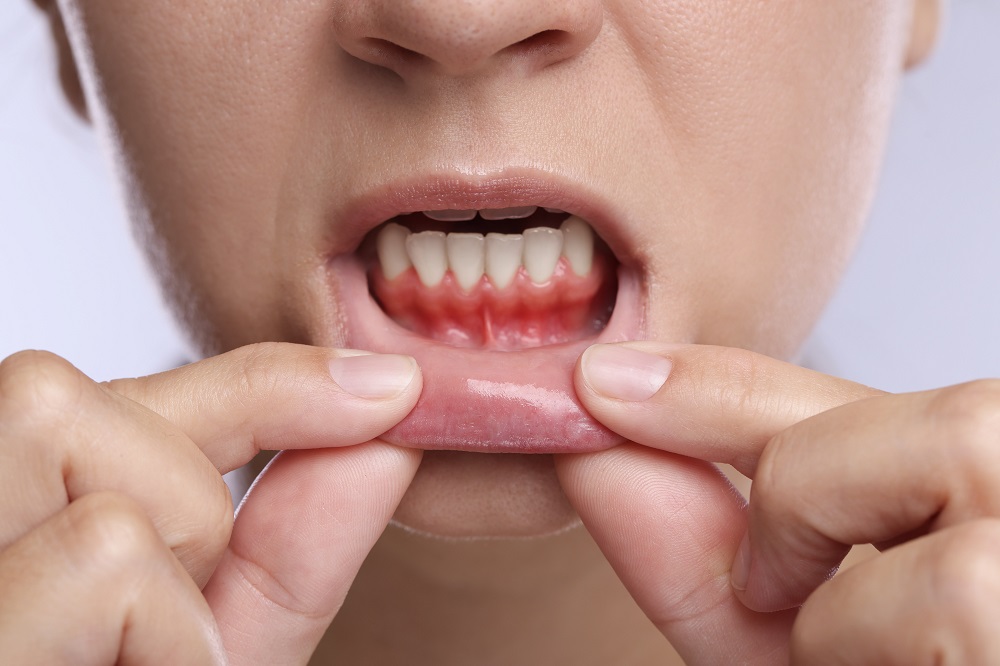
Gum disease rarely announces itself with drama. Most people notice a little bleeding when they brush, a bad taste that seems to come and go, or gums that look slightly puffy along the edges of the teeth. It does not feel urgent, so it gets pushed aside. Months or years later, the problem is no longer mild gingivitis. The infection has moved deeper, the bone that supports the teeth has started to shrink, and treatment becomes more involved.
That pattern is common in every dental community, and Ventura is no exception. Patients often come in thinking they need a simple cleaning, only to learn that the issue is not surface stain or tartar alone. The real concern is periodontal disease, a chronic inflammatory condition that requires careful management over time. Effective Periodontal Treatment Ventura patients receive is not just about cleaning the teeth. It is about controlling bacterial infection, reducing inflammation, preserving bone, and giving the mouth a stable environment that can be maintained for years.
The good news is that periodontal care works when it is approached realistically. There is no single magic procedure that “cures” gum disease forever. There is, however, a dependable path that combines diagnosis, active treatment, home care, and regular maintenance. When those pieces are in place, many people keep their natural teeth comfortably and functionally for decades.
Why long-term control matters more than a quick fix
Periodontal disease is different from a cavity. A cavity can often be removed and restored in one visit. Gum disease behaves more like a chronic condition that can improve, stabilize, or flare depending on how well it is managed. Once the deeper supporting structures around teeth have been affected, the focus shifts to control and preservation.
That distinction matters because expectations shape outcomes. Patients sometimes hope one deep cleaning will solve everything permanently. In practice, the initial treatment is only the first stage. It can reduce bacterial load, calm active inflammation, and make the gums healthier, but long-term success depends on what happens afterward. The disease process is tied to plaque retention, calculus, anatomy, bite forces, habits like smoking, health conditions such as diabetes, and the consistency of ongoing care.
A person with early periodontal changes may respond quickly and remain stable with maintenance every three or four months. Another person with advanced bone loss, clenching, and poorly controlled blood sugar may need more frequent monitoring and a more layered treatment plan. Good periodontal care respects those differences rather than pretending every case follows the same script.
What gum disease actually does beneath the gumline
Healthy gums fit snugly around the teeth. The supporting bone sits at a normal level, and routine brushing and flossing can disrupt most of the bacterial film before it causes damage. When plaque is allowed to remain, the body mounts an inflammatory response. At first, that causes redness, swelling, and bleeding. If the condition progresses, the attachment between the gum and tooth begins to break down.
This is where periodontal pockets form. A pocket is not simply a space with food trapped in it. It is a pathologic deepening between the tooth and surrounding tissues where harmful bacteria thrive in an oxygen-poor environment. As those bacteria and the body’s immune response continue their cycle, connective tissue is damaged and bone loss follows.
That process can be surprisingly quiet. Many patients with significant periodontal destruction report very little pain. By the time teeth feel loose or the gums recede dramatically, the disease may already be well established. That is one reason regular periodontal charting and radiographs are so important. They reveal changes that cannot be judged accurately by appearance alone.
The signs patients notice first
Not every symptom means advanced periodontitis, but certain changes deserve attention sooner rather than later. In day-to-day practice, the most common warning signs include the following:
- Bleeding during brushing, flossing, or eating firm foods.
- Persistent bad breath or a sour taste in the mouth.
- Gum recession that makes teeth look longer.
- Teeth that begin to shift, loosen, or trap food more than they used to.
- Tender, swollen, or shiny gums that no longer look pale pink and firm.
The challenge is that people often normalize these signs. They switch toothpaste, brush less firmly, or assume age is to blame. A periodontal exam is much more useful than guesswork. Measuring pocket depths, evaluating bleeding points, checking mobility, and reviewing X-rays gives a far clearer picture of whether the issue is mild inflammation or a deeper structural problem.
How a proper periodontal evaluation guides treatment
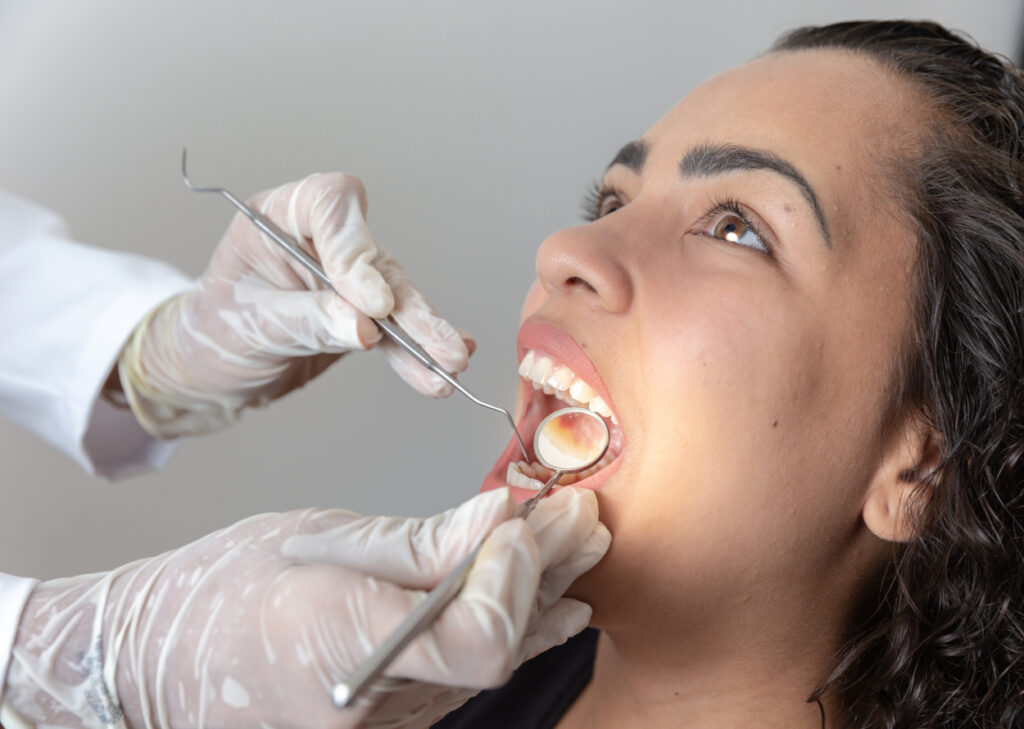
Good treatment starts with a careful diagnosis, not with a rushed cleaning. A thorough periodontal evaluation usually includes visual examination of the gums, charting pocket depths around each tooth, assessment of bleeding and recession, evaluation of mobility and furcation involvement, and radiographs to review bone levels. Medical history is also essential. Diabetes, autoimmune conditions, certain medications, tobacco use, and stress patterns can all influence gum stability.
One practical detail many patients do not expect is that full-mouth probing can reveal areas that feel fine but are actually problematic. It is common to find a patient with mostly healthy readings and several isolated deep pockets around molars. Those spots often collect plaque more easily because of root anatomy, old restorations, or difficult access at home. Treatment planning should account for those local factors, not just the overall diagnosis.
In Ventura, where active outdoor lifestyles are common and many adults want to preserve their natural teeth as long as possible, this individualized approach matters. A person who surfs, hikes, speaks professionally, or simply values comfort in daily life has strong reasons to address periodontal issues before they affect chewing, appearance, or confidence.
The role of scaling and root planing
For many patients, the cornerstone of non-surgical periodontal therapy is scaling and root planing. This is often called a deep cleaning, though that casual label can make it sound less significant than it is. Scaling removes plaque, bacterial toxins, and hardened deposits from below the gumline. Root planing smooths the root surfaces so the tissues have a cleaner environment in which to heal and reattach as much as possible.
When performed well, this treatment is precise and methodical. It may be completed by quadrant or half-mouth, usually with local anesthetic so the area can be cleaned thoroughly. After treatment, patients often notice less bleeding, less puffiness, and a fresher mouth within a few weeks. Follow-up measurements are important because healing cannot be judged accurately the next day.
One point worth emphasizing is that scaling and root planing is not the same as a routine prophylaxis. A regular cleaning is intended for mouths without active periodontal disease, where the focus is preventive maintenance above and slightly below the gumline. Deep periodontal therapy is indicated when infection and destructive pockets are already present. Mixing up those two services delays proper care.
When non-surgical care is enough, and when it is not
Some periodontal cases respond beautifully to non-surgical treatment and disciplined maintenance. Pockets become shallower, bleeding drops significantly, and the condition remains stable for years. This is especially true when disease is caught in the earlier stages and the patient is reliable with home care.
Other situations are more complex. Deep residual pockets may remain after scaling and root planing, particularly around molars with difficult root shapes or in areas where bone loss is vertical rather than horizontal. In those cases, surgical periodontal treatment may be recommended to gain better access, reduce pocket depths, or regenerate lost supporting structures where possible.
The idea of gum surgery makes some patients nervous, but modern periodontal procedures are usually more controlled and comfortable than people expect. The purpose is not aggressive intervention for its own sake. The purpose is to create a maintainable architecture. If a six or seven millimeter pocket cannot be cleaned predictably at home or during maintenance visits, it may continue to harbor disease despite everyone’s best effort.
A responsible provider explains that decision clearly. Surgery is not automatically better, and avoiding surgery is not automatically wiser. The right choice depends on pocket pattern, bone defects, tooth value, overall health, and long-term prognosis.
Procedures that may be part of advanced care
Periodontal treatment can include several different tools depending on the condition of the mouth. Some patients need only non-surgical debridement and maintenance. Others need a more layered approach. Common therapies include localized antimicrobial agents, periodontal flap surgery, osseous recontouring, guided tissue regeneration, bone grafting in selected defects, and grafting to address recession or strengthen thin gum tissue.
Regenerative procedures deserve careful discussion because expectations can be unrealistic. Not every site can regrow lost support, and outcomes depend heavily on defect shape, patient biology, and plaque control. When the anatomy is favorable, however, regeneration can help preserve teeth that might otherwise have a poor outlook.
There is also a practical reality clinicians weigh every day: sometimes the most technically possible treatment is not the most sensible treatment. If a tooth has severe mobility, extensive bone loss, root fracture, or an unfavorable crown-to-root ratio, heroic periodontal efforts may not offer lasting value. In those cases, extracting the tooth and planning a more stable replacement may be the better long-range decision. Good periodontal judgment includes knowing when to preserve and when to let go.
Maintenance is where long-term success is won
The most important appointment in periodontal care is often the one patients are tempted to postpone: periodontal maintenance. Once active disease has been treated, the mouth still remains vulnerable. The bacteria that contribute to periodontitis repopulate over time, and people who have had the disease once are at higher risk for recurrence.
Maintenance intervals are typically more frequent than standard cleanings. Many patients are seen every three or four months rather than every six. That schedule is not arbitrary. It reflects how quickly harmful biofilm can rebuild and how much easier it is to manage inflammation before it becomes entrenched again.
At these visits, the clinician does more than polish the teeth. Pocket depths may be rechecked, bleeding points reviewed, deposits removed from both above and below the gumline, and areas of home care difficulty identified. If a site is worsening, early intervention can begin before the problem spreads.
I have seen a familiar pattern repeatedly in periodontal care: patients who keep maintenance visits, even if their home care is imperfect, usually do better than patients with excellent intentions who disappear for a year or two at a time. Consistency protects teeth. Sporadic care gives disease room to return quietly.
The home-care habits that make professional treatment last
Professional treatment creates opportunity. Daily home care protects it. Patients do not need a complicated shelf full of gadgets to keep their gums healthier, but they do need consistency and decent technique. The most useful routine is one that can be repeated every day without fail.
A strong at-home foundation usually includes these habits:
- Brushing twice a day with a soft-bristled brush or electric toothbrush, paying attention to the gumline rather than scrubbing the middle of the teeth only.
- Cleaning between the teeth daily with floss, interdental brushes, or water irrigation when appropriate for the anatomy.
- Using any prescribed antimicrobial rinse exactly as directed, especially during the healing phase after treatment.
- Replacing worn brushes and keeping restorations, retainers, and night guards clean so bacteria are not reintroduced constantly.
- Watching for changes such as bleeding returning to one spot, new sensitivity, or food trapping that was not present before.
Technique matters more than force. Many people who believe they brush thoroughly actually miss the back molars, the inner surfaces near the tongue, and the margins where the gums meet the teeth. Others brush hard enough to cause abrasion but still leave plaque behind in the spaces between teeth. A few minutes of coaching in the office often improves home results more than changing products repeatedly.
Medical and lifestyle factors that change the picture
Periodontal disease does not happen in isolation. Smoking remains one of the most significant risk factors for poor gum health and weaker treatment response. Smokers often show less obvious bleeding even when disease is active, which can create false reassurance. Healing can also be slower and less predictable.
Diabetes is another major consideration. Poor glycemic control tends to worsen periodontal inflammation, and active periodontal infection can make blood sugar management more difficult. The relationship goes both ways. Patients who improve gum health sometimes notice that managing diabetes becomes a bit easier afterward, though dental treatment is not a substitute for medical care.
Stress, clenching, and sleep disruption also play a role, even if indirectly. A patient under chronic stress may neglect home care, grind heavily at night, eat differently, and miss maintenance visits. Those patterns add up. Dry mouth from medications can further increase plaque accumulation and tissue irritation.
This is one reason comprehensive Periodontal Treatment Ventura providers offer goes beyond the mechanical act of cleaning roots. The best results come when the dental team pays attention to the whole patient, including medical status, habits, dexterity, and the practical obstacles that affect follow-through.
What patients in Ventura often ask about recovery
One of the most common concerns is discomfort. After scaling and root planing, it is normal to have some tenderness, mild sensitivity to cold, and minor soreness for a few days. Gums may feel tighter as swelling subsides. Most people manage this period well with ordinary post-treatment instructions, gentle brushing, and avoiding extreme temperatures if the roots are sensitive.
Another frequent question is whether the gums “grow back.” The most accurate answer is that inflamed tissue can shrink and tighten as it heals, which is a healthy change, but lost bone support does not simply return on its own. In some cases, targeted regenerative treatment can improve support in selected defects. In many others, the goal is stability rather than restoration of every structure to its original state.
Patients also ask how soon they will know whether treatment worked. Some improvements, such as less bleeding and fresher breath, can be felt quickly. More meaningful assessment usually comes at the re-evaluation visit several weeks later, when pocket depths and tissue response can be measured. That visit is not optional housekeeping. It tells the team whether the disease is under control or whether further therapy is needed.
Choosing the right provider for periodontal care
Not every gum problem requires a periodontist, but every meaningful periodontal problem requires careful diagnosis and disciplined follow-up. General dentists often manage mild to moderate cases very effectively, especially when they have strong periodontal protocols. More advanced disease, complex surgery, or regenerative planning may warrant referral to a periodontal specialist.
When evaluating care options, patients should listen for clarity rather than sales language. A trustworthy provider explains pocket measurements, bone loss, prognosis, and maintenance needs in plain terms. They do not promise a permanent cure from one procedure, and they do not minimize disease that is actively progressing. They also discuss trade-offs. Saving a compromised tooth can be worthwhile, but sometimes extraction and replacement offer more predictable comfort and function. A thoughtful clinician walks through those decisions honestly.
For patients seeking Periodontal Treatment Ventura practices offer, accessibility matters too. Long-term control depends on recall appointments being realistic to keep. A beautifully designed treatment plan does little good if scheduling, communication, or continuity of care breaks down after the first phase.
The financial side of delaying treatment
People understandably hesitate when they hear that periodontal therapy involves multiple visits, maintenance appointments, or possible surgical care. Yet delay is often the more expensive path. Early intervention may involve deep cleaning and close monitoring. Untreated disease can lead to tooth mobility, abscesses, bite collapse, extractions, grafting, implants, or removable replacement options.
There is also a quality-of-life cost that does not show up neatly on a treatment estimate. Chronic inflammation can make eating less comfortable. Loose teeth change how a person chews. Gum recession can make smiling feel self-conscious. Persistent bad breath affects confidence in social and professional settings. Those daily burdens are easy to underestimate until they begin to interfere with normal routines.
A practical conversation about priorities helps. Not every patient can or should complete every ideal treatment at once. Sometimes the right approach is staged care: address active infection first, stabilize the highest-risk areas, improve home routines, and reassess before making bigger restorative decisions. Sensible periodontal care is not all-or-nothing. It is strategic.
A stable mouth is the real goal
People often arrive thinking the objective is simply to “clean the gums.” The real objective is more durable than that. It is to create a mouth that stays comfortable, functional, and maintainable over time. That may mean reducing pockets, stopping bleeding, preserving key teeth, replacing a hopeless tooth wisely, or setting up a maintenance rhythm that prevents repeated setbacks.
Long-term gum disease control is rarely dramatic. It is built through accurate diagnosis, skilled treatment, honest re-evaluation, and ordinary daily habits repeated consistently. The patients who do best are not always the ones with https://ameblo.jp/miloekld447/entry-12980395981.html perfect mouths to begin with. More often, they are the ones who understand that periodontal health is something you protect over time.
For anyone weighing Periodontal Treatment Ventura options, that perspective is worth keeping. The strongest results usually come from early action, realistic expectations, and a provider who treats gum disease as the chronic condition it is. When inflammation is controlled and maintenance becomes part of life, the mouth gets quieter, healthier, and far easier to live with year after year.
Avra Dental
Address: 1708 S Victoria Ave B, Ventura, CA 93003
Phone number: (805) 941-1001
FAQ About Periodontal Treatment Ventura
Can a dentist get rid of periodontal disease?
A dentist or gum specialist (periodontist) cannot fully cure or reverse advanced periodontal disease (periodontitis), but they can successfully stop its progression and manage the infection.
Is periodontitis very serious?
Yes, periodontitis is a very serious, advanced form of gum disease that destroys the bone and tissues supporting your teeth.
How is stage 2 periodontal disease treated?
Stage 2 periodontal disease (early to moderate periodontitis) is primarily treated with non-surgical deep cleaning procedures like scaling and root planing to remove bacteria and tartar below the gumline.