Emergency Dentist Ventura Support for Sports-Related Dental Injuries
A fast game can turn into a dental emergency in one awkward second. A high elbow under the basket, a line drive to the face, a skateboard slip on concrete, or a surfboard recoil in the lineup can leave a child, teen, or adult staring at a broken tooth and a mouth full of blood. Ventura families know how active the local sports scene is. Between school athletics, weekend leagues, beach sports, cycling, martial arts, and pickup games at the park, dental injuries are not rare events. They are part of what comes with motion, contact, speed, and hard surfaces.
What matters most in those first minutes is not panic, it is timing and judgment. Teeth, gums, lips, and supporting bone can often be treated successfully when care happens quickly. Delays make things more complicated. A small chip may stay a cosmetic issue if it is addressed early, but the same injury can become a painful nerve problem if it is ignored. A tooth that gets knocked out may sometimes be replanted, but only if it is handled correctly and seen without much delay. That is where an Emergency Dentist Ventura patients can reach promptly becomes more than a convenience. It can change the long-term outcome.
Why sports injuries to teeth are different
Sports-related dental trauma tends to be messy and layered. It is not always a simple cracked tooth. A player can have a lip laceration, a loosened front tooth, bruised bone around the root, and a jaw injury all at once. The mouth also bleeds heavily even from relatively small cuts, which makes injuries look worse and makes it harder for a parent or coach to tell what actually happened.
The mechanism of injury matters. A direct blow from a ball usually causes different damage than a face-first fall. In football, hockey, basketball, and martial arts, force often comes from collision, which can drive teeth backward or sideways. In cycling, skating, and scooter falls, teeth can fracture against pavement, often along with abrasions to the chin and cheeks. Baseball and softball injuries may involve a concentrated impact to one or two teeth, sometimes producing deep cracks that are not visible right away.
Age matters too. A child with primary teeth does not get managed exactly the same way as a teenager or adult with permanent teeth. That distinction is one of the most common points of confusion in urgent situations. Parents often assume any knocked-out tooth should be put back in immediately. That is not always correct. A permanent tooth may be a candidate for replantation. A baby tooth generally is not, because forcing it back can damage the developing adult tooth underneath.
The injuries that deserve immediate attention
Not every sports injury requires a same-hour visit, but many do. Heavy bleeding that does not slow down, a tooth that is completely out, a tooth pushed out of position, severe pain with temperature sensitivity, visible yellow or pink tissue inside a broken tooth, and swelling around the gums after impact all move into urgent territory quickly.
Fractures range widely. Some are limited to enamel, the hard outer shell. Those can feel rough but may not be painful. Others expose dentin, the inner layer, which often leads to sharp sensitivity to air and cold drinks. The most serious fractures expose the pulp, the living tissue with nerves and blood supply. In practice, these are the cases where a patient points to a broken front tooth and says it “throbs” or “feels alive.” Timing matters because the more contamination and drying that occur, the harder it is to preserve the tooth’s vitality.
Luxation injuries, where the tooth is loosened, shifted, or jammed deeper into the socket, can look deceptively minor. A tooth that seems only slightly out of line may involve significant trauma to the ligament and surrounding bone. These are not wait-and-see injuries, especially in active kids who may want to return to practice too soon.
Then there are avulsions, complete knockouts. This is the classic dental emergency everyone fears on the sidelines. It is dramatic, but it is also one of the situations where calm, informed action gives the best chance of saving the tooth.
What to do on the field, court, or sideline
The first response should be practical and focused. Protect the airway, control bleeding, and identify whether the injured tooth is a primary tooth or a permanent tooth if possible. If there is any concern about a concussion, loss of consciousness, vomiting, severe headache, jaw fracture, or facial trauma beyond the teeth, medical evaluation takes priority.
For a likely dental injury without broader medical red flags, these steps help most:
- Rinse the mouth gently with water and use clean gauze or a cloth to apply pressure to bleeding areas.
- If a permanent tooth has been knocked out, pick it up by the crown, not the root, and briefly rinse off visible dirt with milk or saline if available.
- If the person is alert and cooperative, try to place the tooth back into the socket right away, then have them bite gently on gauze to hold it in place.
- If replanting is not realistic, keep the tooth moist in cold milk, saline, or inside the cheek of an older, reliable patient who will not swallow it.
- Contact an Emergency Dentist Ventura office immediately and head in without delay.
That short window after an avulsion is important. The root surface contains delicate periodontal ligament cells. Once they dry out for too long, the chance of a healthy reattachment drops. People often hear a strict minute count and panic if they miss it, but real life is less tidy than ideal guidelines. A tooth out for a short time has the best outlook, yet even when more time has passed, an urgent exam is still worthwhile. Dismissing the situation because the perfect timing has passed is a mistake.
A few moments that change outcomes
Sideline decisions tend to stick with families. One parent remembers every detail because it happened so fast. A teenager took a basketball to the mouth during a tournament. His central incisor looked intact at first glance, but there was a fine fracture line and the tooth felt “longer” than the one next to it. He wanted to keep playing. His coach nearly let him. The reason he kept that tooth without major complications later https://andersonagvf604.clearhavendigest.com/posts/how-an-emergency-dentist-ventura-treats-oral-infections-safely was simple: someone noticed that the bite had changed. The tooth had been partially displaced. Early stabilization and follow-up made the difference.
Another case that comes up often involves younger children in soccer or on scooters. The front tooth is chipped, there is a lot of crying, and the family waits until the next week because the child settles down and says it no longer hurts. By then the fracture has dried, bacteria have entered the pulp, and the child has a swelling over the root. What could have been a protective restoration or a simple pulp therapy now becomes more involved.
These are not rare edge cases. They are everyday examples of why experience matters in emergency dental care. A clinician has to judge not only what is visible in the moment but what is likely to happen next if the tooth is left alone.
What an emergency dental visit usually involves
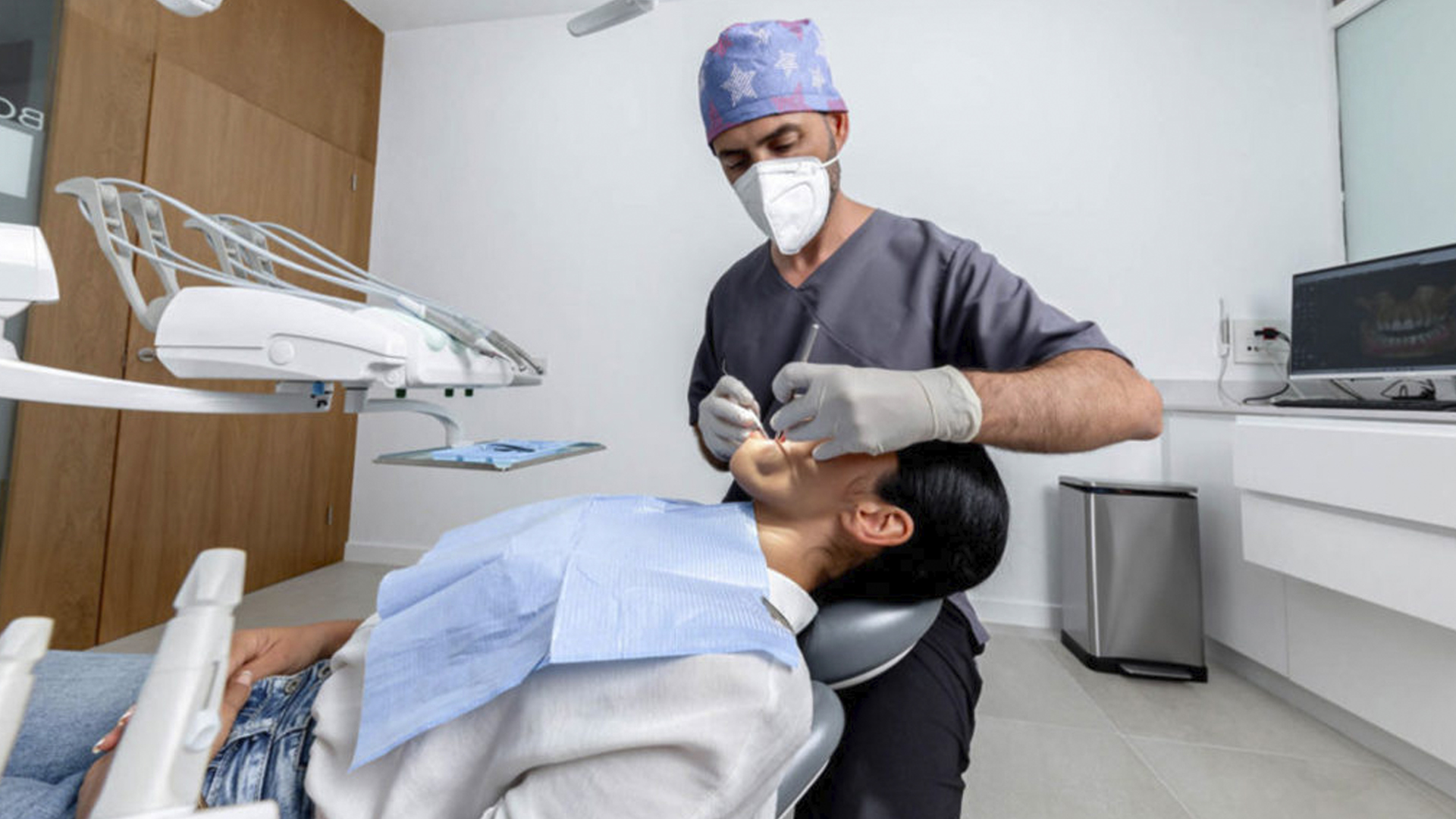
People often expect an emergency appointment to be a quick smoothing of a chipped edge and a prescription. In sports trauma, the exam is usually more careful than that. The dentist will evaluate the bite, mobility, soft tissues, pulp response, and likely obtain imaging to check for root fractures, displacement, or injury to the surrounding bone. Sometimes a tooth looks almost normal but tests differently than its neighbors. Sometimes the lip has embedded tooth fragments that need to be located and removed. Those details matter.
Treatment can range from straightforward to complex. A small enamel fracture may need only polishing or bonding. A larger break may require a bonded restoration, temporary protective covering, or discussion of a crown later. A loose or displaced tooth may need repositioning and a flexible splint. A tooth with pulp exposure might need urgent endodontic treatment or a protective pulp procedure depending on age, root development, and the nature of the fracture. Soft tissue lacerations may need cleaning and sutures.
This is also where the difference between same-day relief and long-term planning becomes clear. Emergency care stabilizes the injury, controls pain, and protects the tooth. Full recovery often includes follow-up visits over weeks or months because traumatized teeth do not always declare themselves immediately. A tooth can test normal after the accident and still change later. That is why rechecks are not optional box-checking. They are part of responsible trauma care.
Pain, swelling, and the hidden damage patients miss
Patients usually focus on the obvious broken edge. Dentists worry about the invisible parts too. The periodontal ligament can be crushed. The root can be cracked below the gumline. The pulp can lose blood supply and begin to die days after the hit. In younger athletes, developing roots may respond differently than fully mature teeth, which affects treatment decisions and prognosis.
Swelling is not always immediate. A mouth can look surprisingly calm the first evening, then become sore and puffy the next morning. Sensitivity to cold, pain when biting, and a feeling that the teeth no longer fit together properly are useful clues. So is discoloration. A tooth that turns gray or dark after trauma needs evaluation, even if pain is mild. Not every color change means the same thing, but none should be ignored.
Jaw soreness adds another layer. Some athletes walk away convinced they “just took one to the lip” when they actually have bruising to the temporomandibular joint or a small alveolar fracture. If the mouth cannot open comfortably, the bite feels off, or the chin took a direct hit, emergency dental evaluation may need to work alongside medical or oral surgery assessment.
The child athlete versus the adult athlete
Children recover well, but their injuries require nuance. A primary tooth that is pushed up into the gum, tipped, or knocked out should not be managed by adult rules. The goal is to protect the child’s comfort, the surrounding tissues, and the developing permanent tooth. Parents naturally worry about appearance, especially with front teeth, but preserving the future adult tooth matters more than forcing a quick fix.
Adolescents often have a different challenge. They may minimize pain because they do not want to miss games, school events, or tryouts. That is where coaches and parents need to watch for behavioral clues: guarding the mouth, refusing cold water, speaking carefully, or avoiding certain foods. A teen saying “it’s fine” is not a diagnosis.
Adults in recreational leagues sometimes delay care because they assume emergency dentistry is only for severe bleeding or a missing tooth. In reality, a cracked cusp, a loosened crown, or a shifted bite after a collision can evolve into a major issue if a patient keeps chewing on it for several days. Adults also bring old dental work into the equation. A previous root canal, veneer, implant, or crown changes how trauma is assessed and treated.
Why mouthguards help, and where they fall short
Mouthguards reduce risk. They absorb and spread force, lower the odds of fractured front teeth, and offer meaningful protection in contact sports and activities with falls. But they are not magic. A poorly fitting boil-and-bite guard that sits loose in the mouth is better than nothing, yet it does not protect like a properly fitted custom guard. Athletes in braces need special consideration because brackets and wires turn a routine hit into a soft tissue injury very quickly.
The equipment conversation works best when it stays honest. Mouthguards help, helmets help, face shields help, but they do not eliminate dental trauma. A baseball pitched at speed or a bike crash onto asphalt can exceed what any simple mouthpiece can fully absorb. Prevention lowers risk. It does not create immunity.
For athletes and families who want the practical version, prevention usually comes down to a few smart habits:
- Use a sport-appropriate mouthguard, ideally a custom-fitted one for athletes in regular contact or high-speed sports.
- Replace worn guards, and refit them after major dental changes such as orthodontic treatment or eruption of new teeth.
- Keep a small dental emergency kit in the sports bag with gauze, a clean container, and saline or an approved tooth-preservation solution.
- Teach coaches and older athletes the basic handling rule for a knocked-out permanent tooth: touch the crown, not the root.
- Do not send a player back into the game after a mouth injury if the bite feels wrong, a tooth is loose, or there is ongoing bleeding.
Those simple habits prevent a surprising number of bad outcomes. The emergency kit sounds almost excessive until the day someone actually needs it. Then it feels obvious.
Timing, transportation, and what to say when you call
When patients call after a sports injury, the most useful information is specific. Saying “my son broke his tooth” is a start, but details speed up triage. Is the tooth out completely, cracked, loose, or pushed out of place? Is bleeding controlled? Is it a child or adult tooth? Did the person lose consciousness or have nausea? Has the tooth been stored in anything? Those answers help the dental team prepare the room, materials, and schedule appropriately.
Transportation matters more than people think. An upset child in the back seat with a cup full of ice and a dry napkin wrapped around the tooth is not ideal. If the tooth is out, keeping it in the right medium while going directly to care is better than making stops or waiting to “see if the pain settles.” If there is a possibility of concussion or jaw fracture, heading first to urgent medical care or the emergency department may be the safer path, with dental follow-up coordinated from there.
An Emergency Dentist Ventura practice that is used to trauma calls can often guide families over the phone in real time. That kind of communication is one of the underrated parts of good emergency care. Clear instructions before arrival can save valuable time and prevent common mistakes, especially with avulsed teeth.
The recovery period is where discipline matters
Athletes tend to think the problem is solved once pain is reduced and the tooth looks normal again. That is not how dental trauma behaves. Recovery asks for patience. Soft foods may be necessary for several days or longer. Contact sports may need to pause. A splinted tooth should not be tested with “just one bite” to see if it feels okay. Follow-up imaging or pulp testing may be needed even after symptoms improve.
This is also the stage when secondary decisions come into play. Does a bonded front tooth need a more durable restoration later? Will a traumatized tooth discolor and require esthetic treatment? Is root canal therapy likely down the road, or can the tooth be monitored? Should a custom mouthguard be remade after the shape of the teeth changes? Good emergency care addresses the first injury and sets expectations for these later choices.
There is also a financial and practical reality worth acknowledging. Not every injury can be restored to the exact pre-accident condition in one visit. Sometimes the priority is stabilizing the tooth, protecting the nerve, and getting the patient comfortable enough to sleep that night. Definitive cosmetic work may come later, once healing patterns are clearer. Patients generally do better when this is explained plainly at the start rather than promised a perfect immediate fix.
What families in Ventura should keep in mind
Ventura’s active outdoor culture means dental injuries happen in settings that are not always close to home or school. They happen at beach volleyball courts, baseball fields, bike paths, skate parks, gyms, and neighborhood games where there may not be a trainer standing nearby. That makes preparation more important. A parent who knows what to do with a knocked-out permanent tooth is in a far better position than one searching the internet in a panic from the parking lot.
It also means access matters. When a family can reach an Emergency Dentist Ventura provider quickly, the stress of the event changes shape. The situation is still upsetting, but it becomes manageable. There is a plan. There are immediate steps. There is a clear next move.
Sports are worth playing. Children and adults should run, compete, fall, get back up, and enjoy the things that make Ventura life feel like Ventura life. But when teeth are involved, speed and precision matter. A dental injury is not just a cosmetic inconvenience. It is a time-sensitive health issue with consequences for comfort, function, speech, appearance, and long-term oral health. The right response in the first hour often sets the tone for everything that follows.
Avra Dental
1708 S Victoria Ave B, Ventura, CA 93003, United States
Phone: +1 805-765-3206
FAQ About Emergency Dentist Ventura
Can the ER do anything for tooth pain?
An emergency department can assess serious symptoms and provide temporary relief, but definitive dental treatment usually requires a dentist. Trouble breathing or swallowing, uncontrolled bleeding, or swelling spreading into the neck requires emergency medical care.
What do I do if I have a dental emergency and no dentist?
Contact a local emergency dental practice promptly, explain your symptoms, and ask about the earliest available assessment. Avra Dental provides emergency dentistry in Ventura; call to confirm availability. If you have life-threatening symptoms or a serious facial injury, go to an emergency department or call 911.
What do I do if tooth pain is unbearable?
Seek urgent dental assessment rather than waiting for the pain to pass. While arranging care, gently rinse with warm water and avoid placing aspirin directly on the tooth or gums. Severe pain with trouble breathing or swallowing, rapidly spreading swelling, or uncontrolled bleeding needs immediate emergency medical care.