Cosmetic Dentist Ventura: Transforming Smiles with Confidence
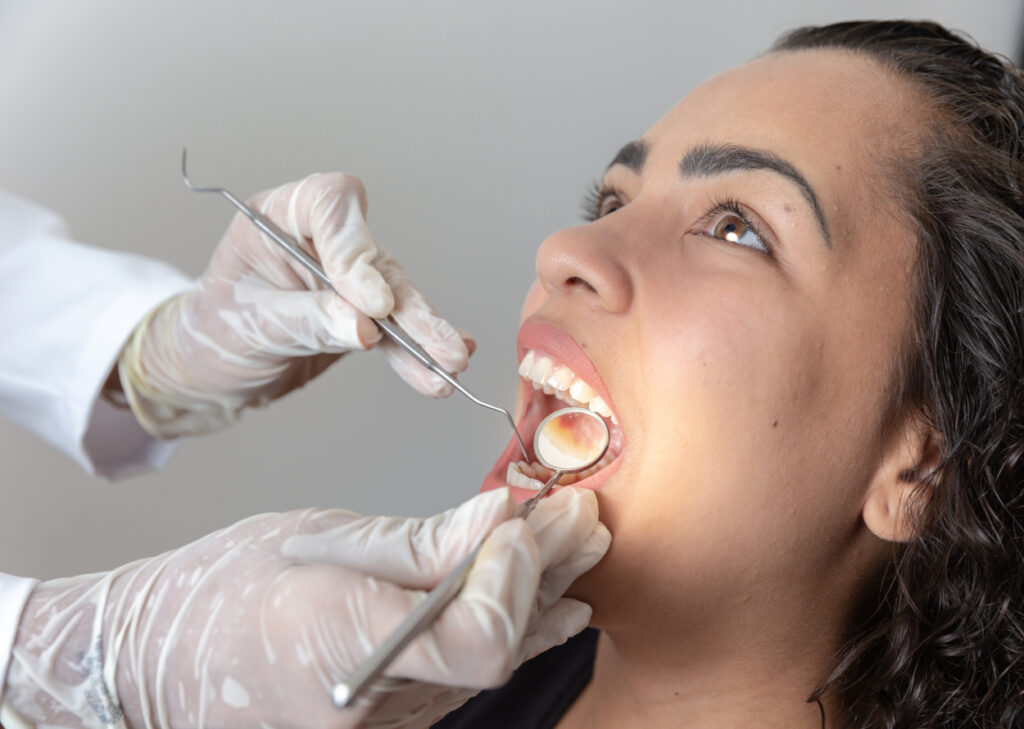
A confident smile is one of those small advantages that compounds. You meet clients, greet neighbors on Main Street, or step into a photo with family at Marina Park, and that easy grin becomes part of your identity. Working with a skilled cosmetic dentist in Ventura is not about chasing perfection, it is about matching the look of your teeth with the way you already carry yourself. Done well, cosmetic dentistry blends health, function, and aesthetics so you get compliments, not questions.
What cosmetic dentistry really covers
Patients often arrive thinking cosmetic dentistry equals veneers, full stop. Veneers are powerful tools, but they are a chapter, not the entire book. Cosmetic care spans whitening, bonding, aligner therapy, gum contouring, porcelain inlays and onlays, crowns, veneers, and implant restorations. In many cases, the best outcomes come from layering modest improvements, rather than one big move.
Think of a coffee-loving accountant who wants brighter teeth but also hides a small chip. A thoughtful plan might start with whitening, then micro-bonding on the chipped edge, and a small enamel recontouring to even out symmetry. That sequence is less invasive than a full set of veneers, costs less, and ages gracefully.
The Ventura context
Coastal living is gorgeous but hard on teeth. Citrus, coffee, and red wine are everyday pleasures here, and they stain. Weekend surfing means you sometimes grind at night from muscle fatigue or clench with stress when deadlines surge. Wind and sun dehydrate enamel, which makes stains take hold faster. A Dentist in Ventura who understands these local patterns tailors both the materials and the maintenance plan accordingly.
I have seen plenty of patients who whiten beautifully, then watch the shade fade more quickly after a wetsuit-and-espresso week. That is not a failure. It is chemistry meeting daily habits. The fix is practical: a custom tray for at-home touch-ups two or three times per year, with a desensitizer for those who feel zingy after cold brew.
How a cosmetic case starts, when it starts well
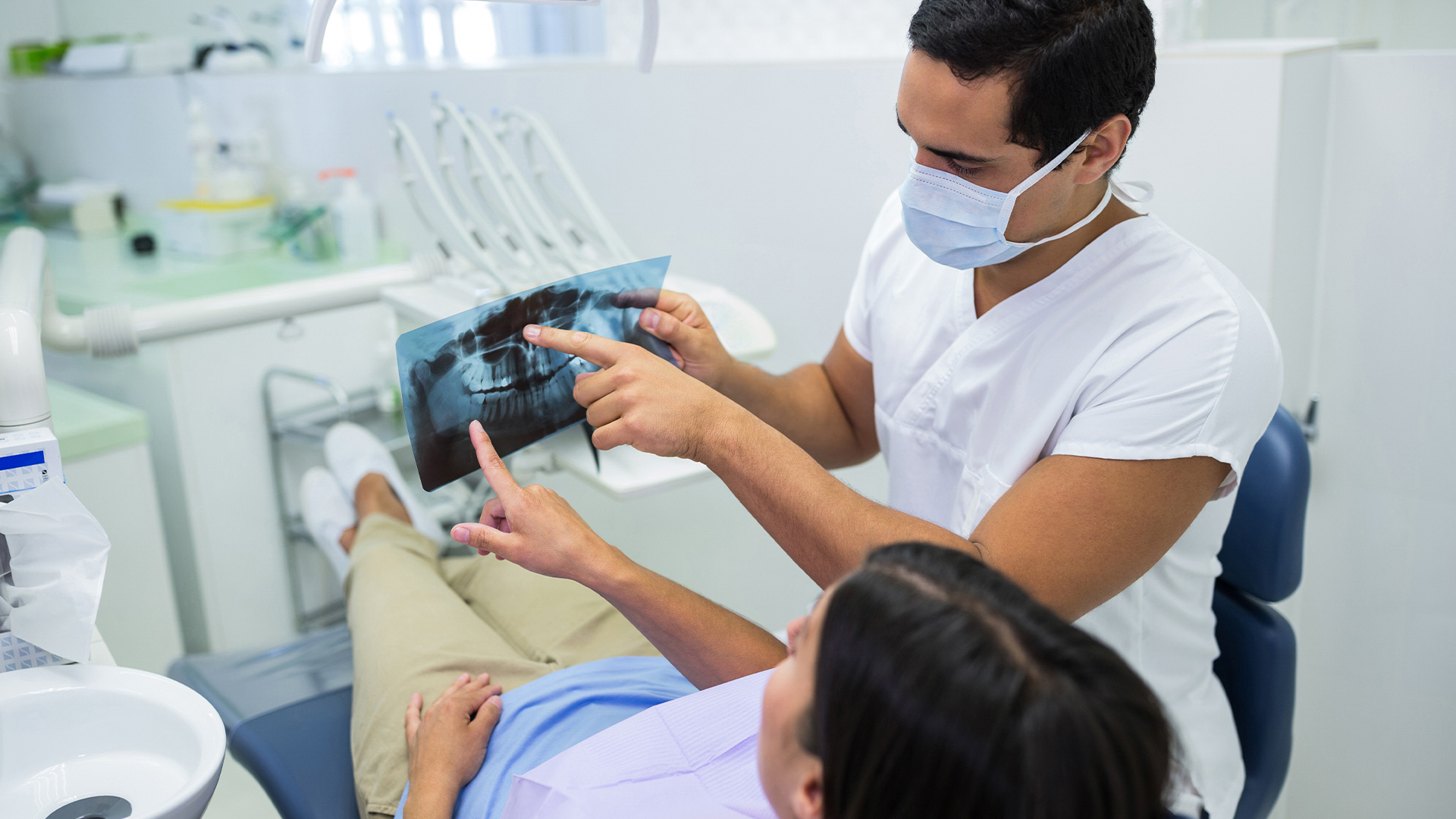
The first appointment is less about tools and more about listening. Good cosmetic work is goal driven. Are you trying to look younger, appear less stressed, or finally close a gap that bugs you in photos? Your dentist should document your normal smile and your biggest smile, then take a few profile shots. The profile matters because tooth position changes lip support. Measurements follow: gum levels, midline, facial midline, tooth proportion, incisal plane, and bite. You cannot fix symmetry if you do not measure it.
Many Ventura practices now use digital scanners instead of goopy impressions. A 3D scan pairs with photographs, and the dentist can https://pastelink.net/se25qpwx plan the end result before touching a tooth. Some offices use digital smile design software. Others prefer a wax-up from a trusted lab. What counts is not the brand of tech, but whether you and your dentist are looking at the same destination before the trip begins.
Here is a pattern I recommend for patients who want clarity and minimal surprises.
- Define the smile goals in writing, with photos that show what you like and what you do not.
- Complete a comprehensive exam, including periodontal health, bite analysis, and shade mapping.
- Review a mock-up, either digitally or with temporary material placed over your existing teeth, to preview length and shape.
- Sequence treatment from least to most invasive, testing bite changes with provisional restorations if needed.
- Set a maintenance plan, including how often to polish, when to touch up whitening, and what to avoid during healing.
A patient we will call Marisol, a Ventura College instructor, arrived with concerns about short front teeth and a dark canine. She had mild crowding and coffee staining. We mapped her goals, built a digital mock-up, and started with clear aligners for eight months to gain space and correct the cant. Then we whitened. Only after alignment and whitening did we place two minimal-prep veneers to lengthen the front teeth and a single bonded porcelain crown to mask the dark canine. The result looked unforced because each step respected her natural features.
Veneers: not a one-size-fits-all solution
Porcelain veneers can be transformative. They also require judgment. Minimal-prep veneers preserve enamel and bond beautifully, but they need careful planning to avoid bulk. Traditional veneers may call for 0.3 to 0.7 millimeters of enamel removal, sometimes more if the tooth is very rotated. Composite veneers avoid a lab fee and can be reversed more easily, though they stain faster and last fewer years.
Longevity varies. Porcelain veneers routinely last 10 to 15 years when the bite is balanced and night grinding is managed. Composite often looks great for two to five years before needing refinishing or replacement. If you are rough on your teeth, if you play water polo without a mouthguard, if you grind, expect any restoration to age faster. A candid dentist will talk about that before a bur touches enamel.
Shade selection is another balancing act. Ventura’s bright sun loves to highlight overly white, too-opaque teeth. A natural A1 shade with high-translucency porcelain often looks more believable than an ultra-bleached tone. The right lab partner matters as much as the prep design. If you are searching for the best dentist in Ventura for porcelain work, ask to see their lab’s layered porcelain samples in natural light, not just under operatory LEDs.
Whitening that holds its shade
Whitening is the gateway cosmetic treatment, and it works. The science is simple: carbamide or hydrogen peroxide diffuses through enamel and oxidizes organic pigments. In-office systems deliver fast results, often several shades in a single visit, but they can provoke sensitivity for a day or two. Take-home trays move more slowly, which allows you to control comfort and target. For coffee or red wine fans, I favor custom trays with a 10 to 16 percent carbamide gel for two weeks, followed by short refresh sessions every few months.
Teeth do not all lighten equally. Canines tend to be darker and may trail a shade behind the incisors. Bonded fillings do not change color and may need to be replaced to match. If you plan both whitening and veneers or bonding, whiten first and let the shade stabilize for one to two weeks before final color matching.
Sensitive teeth are not a dealbreaker. Nitrate or arginine desensitizers help, as do shorter wear times. Avoid very cold drinks during the active phase. Rinse, do not brush, right after removing trays to keep enamel from feeling tender.
Straightening the foundation with aligners
Mild to moderate crowding and spacing are common in Ventura. Many adults want straighter teeth without braces. Clear aligners can move teeth predictably if the dentist plans attachments well and monitors tracking. Aligner therapy is not purely cosmetic. When teeth align, they wear more evenly, which keeps edges looking youthful longer.
If you plan veneers and have crowding, moving teeth first can save enamel. That is the kind of sequencing that separates a decent result from a durable one. On average, mild cases wrap in four to eight months. If a timeline is tight because of a wedding or work event, ask about staging improvements so you have a visible win on schedule, even if the full plan extends after.
Gum contouring and the frame of the smile
Teeth get most of the attention, but gums frame the picture. A gummy smile can overshadow even perfect porcelain. Crown lengthening, laser gingivectomy, or Botox in the upper lip elevator muscles are all tools, each with a role. If the gumline is uneven by a millimeter or two, soft tissue recontouring can transform symmetry in a 30 minute visit. If the teeth are short because of altered passive eruption, crown lengthening changes both gum and bone levels and requires more healing time.
I once worked with a local realtor who had beautiful teeth hidden by extra gum display. Two millimeters of laser contouring on the lateral incisors and canines, followed by conservative bonding to refine proportions, changed her entire face in photos. No veneers, no crowns, just attention to the frame.
Bonding: small moves, big returns
Composite bonding fills chips, closes black triangles, and reshapes edges with minimal drilling. When the color match is skillful and the surface is polished in layers, composite can look invisible at conversational distance. Its weakness is wear and stain. Plan on polishing every year during your cleaning visit, and expect to refresh high-load areas within three to five years.
Patients who bite fingernails or chew ice will stress any bonded area. If that is you, be honest about habits. Your dentist can adjust the plan, thicken a vulnerable edge, or recommend a guard.
Implants within an aesthetic zone
Replacing a front tooth with an implant requires a steady hand and good timing. If the tooth is extracted, preserving bone and soft tissue with a graft becomes the first priority. The final crown should emerge from the gum like a natural tooth, not a mushroom cap. Sometimes the best move is a temporary bonded bridge while the implant heals, so the gum architecture matures in the right shape. A cosmetic dentist in Ventura who partners with a skilled surgeon will coordinate this like a relay, with clear handoffs and a shared plan for the soft tissue.
Material choice matters. Zirconia can be strong and beautiful, but opaque zirconia can look flat under thin tissue. Layered ceramics allow more life, but the abutment design must support it. There is no universal right answer, only a right answer for your tissue biotype and smile line.
Emergencies do not wait for business hours
A chipped front tooth at 8 p.m. Before a morning presentation is not rare. Knowing an emergency dentist in Ventura who will see you the same day or on a weekend calms panic. Temporary fixes can be elegant. A quick composite rebuild that respects the natural texture and bevels into healthy enamel will photograph well and buy time for a long term plan. For athletes, a custom mouthguard that fits and feels comfortable prevents many of these calls. Stock guards are better than nothing, but custom guards reduce concussion risk and protect cosmetic work far better.
How to choose the right partner for your smile
Marketing often looks the same on every website. Real differentiation shows up in conversation and in the details of the workflow.
- Ask to see full case photos, not just a single before-and-after. Look for lateral views, close-ups of margins, and shots taken months later.
- Listen for sequencing logic. If the plan jumps straight to drilling without discussing whitening, alignment, or gum levels, pause.
- Verify lab relationships. Good labs keep consistent shade and texture. A dentist should know their ceramist by name.
- Expect a trial smile. Whether digital or with provisional material, you should preview shape and length before finalizing.
- Discuss maintenance in specifics, including polishing frequency, night guard type, and how often to refresh whitening.
One of my most satisfied patients, a local barista, told me the reason she chose her dentist had nothing to do with the fanciest machine. It was the ten minute conversation about how her espresso habit would interact with her composite edges, and the simple plan to polish and refresh every nine months. That kind of realism is a good sign.
Materials, durability, and why your habits decide half the outcome
Cosmetic results live or die by the interface of material and biology. Porcelain loves enamel. Bond strength plummets when dentin dominates. That is why minimal-prep designs matter and why retreatment of large, old composites often calls for a different approach. Lithium disilicate offers a balance of strength and translucency for many anterior veneers. Feldspathic porcelain provides unmatched finesse in layered cases, but it demands a master ceramist and a protective bite. Composite technology has improved, with nano-hybrids that polish well, yet coffee and curry still do what they do.
Your home care, diet, and bite are the other half. A night guard will make or break the lifespan of veneers if you clench. So will regular cleanings that use the right polish, not coarse pastes that scratch. If you drink lemon water every morning, rinse with plain water after. If you sip cold brew all day, consider a straw to bypass the front teeth. None of this is about restriction, just small pivots that support the work you invested in.
Costs and financing without the fluff
Cosmetic dentistry ranges widely in cost because complexity varies. In the Ventura area, single-tooth bonding might run a few hundred dollars, while a set of six to eight porcelain veneers can reach the low five figures. Aligner cases land anywhere from the mid to upper thousands, depending on length and refinements. Whitening costs a few hundred for custom trays, more for in-office whitening with immediate results.
Insurance rarely covers purely cosmetic upgrades. It often covers a portion when a tooth is cracked, decayed, or missing. Many offices offer third-party financing or in-house plans. If a price feels opaque, ask for a written breakdown by step, including lab fees, temporaries, and possible refinements. A transparent estimate signals a transparent process.
Bite health first, beauty a close second
A balanced bite protects cosmetic work. If your lower incisors drive into the backside of your upper veneers, you will chip them. If your jaw joints are inflamed, the muscles will recruit and grind through ceramics that look indestructible on a model. A thoughtful dentist evaluates occlusion first. Sometimes the fix is tiny, like adjusting a high spot in a provisional. Sometimes it is bigger, like moving teeth with aligners before committing to porcelain. Either way, spending two more months now saves repairs later.
Patients with a history of headaches, ear fullness, or jaw clicking should mention it. That history can steer the plan toward materials and designs that tolerate more load, and a night guard that positions the jaw comfortably.
Realistic timelines
Cosmetic timelines are not open-ended. Your dentist should map the calendar with you. Whitening can be done in a day, though I favor a two week at-home plan for shade stability. Bonding fits into a single visit for a few teeth. Veneers typically take two to four visits, including the consultation, preparation with provisionals, a try-in, and final bonding. If the gumline needs adjustment, add a few weeks for healing. If aligners are part of the journey, expect several months. That said, many patients want a visible win sooner. You can often plan early polishing, small edge bonding, or a single crown replacement, so you feel progress while larger steps unfold.
When less treatment is the smart choice
Not everyone needs veneers. Teeth with healthy enamel, good alignment, and minor shade issues do well with whitening and micro-bonding. Young patients with large pulps carry a higher risk of sensitivity or even endodontic complications if aggressive prep is attempted. A conservative dentist will point that out and steer the plan toward reversible steps first.
I still recall a high school coach who came in wanting eight veneers because his friend had done it. After photos and a mock-up, we opted for at-home whitening and a careful enameloplasty to even out the edges. He spent a fraction of what he expected, kept his enamel intact, and got exactly what he wanted in photos: cleaner, sharper teeth that matched his age and style.
The role of maintenance appointments
Cosmetic dentistry does not end when the camera clicks. Professional cleanings every six months, sometimes more for heavy coffee or wine drinkers, keep restorations glossy. Hygienists trained in cosmetic maintenance avoid coarse pastes and use soft rubber cups and fine diamond polishers for porcelain. Composite benefits from a quick refresh with aluminum oxide discs. Your dentist should also check margins, look for micro-chipping, and verify the bite. Small adjustments prevent bigger repairs.
Home care remains simple. A soft brush, low-abrasion toothpaste, and daily floss or a water flosser cover 95 percent of needs. Whitening touch-ups, two or three nights in a row, a few times per year, maintain brightness without sensitivity for most patients.
Finding a Dentist in Ventura you trust
There is no single right clinic for everyone. A family-oriented dentist with a strong hygiene team might be perfect if you want conservative care and occasional whitening. If you aim for layered porcelain work or a complex implant in the aesthetic zone, seek a practice that shows depth in those cases. When you search for cosmetic dentist Ventura, focus on evidence of planning skill as much as pretty smiles on a slideshow. If you need urgent help, keep the number of an emergency dentist Ventura handy. Quick, competent repairs prevent a bad day from becoming a longer problem.
Ventura is full of people who value authenticity. The best cosmetic results fit that ethic. You should look like you, only brighter, more harmonious, and more confident. The technical side of dentistry can be complex, but your litmus test remains simple. When you catch your reflection at the Surfers Point promenade and smile without thinking, the work did what it was supposed to do.
Avra Dental
Address: 1708 S Victoria Ave B, Ventura, CA 93003
Phone number: (805) 941-1001
FAQ About Dentist in Ventura
Did Tom Brady get veneers?
Tom Brady's front teeth are slightly lengthened with teeth veneers and the edges are rounded to match his other teeth.
Can a dentist prescribe diazepam?
The dental practitioner's formulary i.e. the list of drugs a dentist can prescribe, includes Diazepam and other sedatives. Some dentists do prescribe these for their anxious patients. The dentist should be responsible for issuing the prescription for these patients.
What is the 50-40-30 rule in dentistry?
The 50-40-30 rule in dentistry is a guideline used to determine whether a tooth should be restored with a filling or a crown. It suggests that if damage exceeds certain limits of the tooth's structure, a crown or onlay may provide better long-term protection than a simple filling.