100 Helpful Reasons to Call an Emergency Dentist Ventura Today

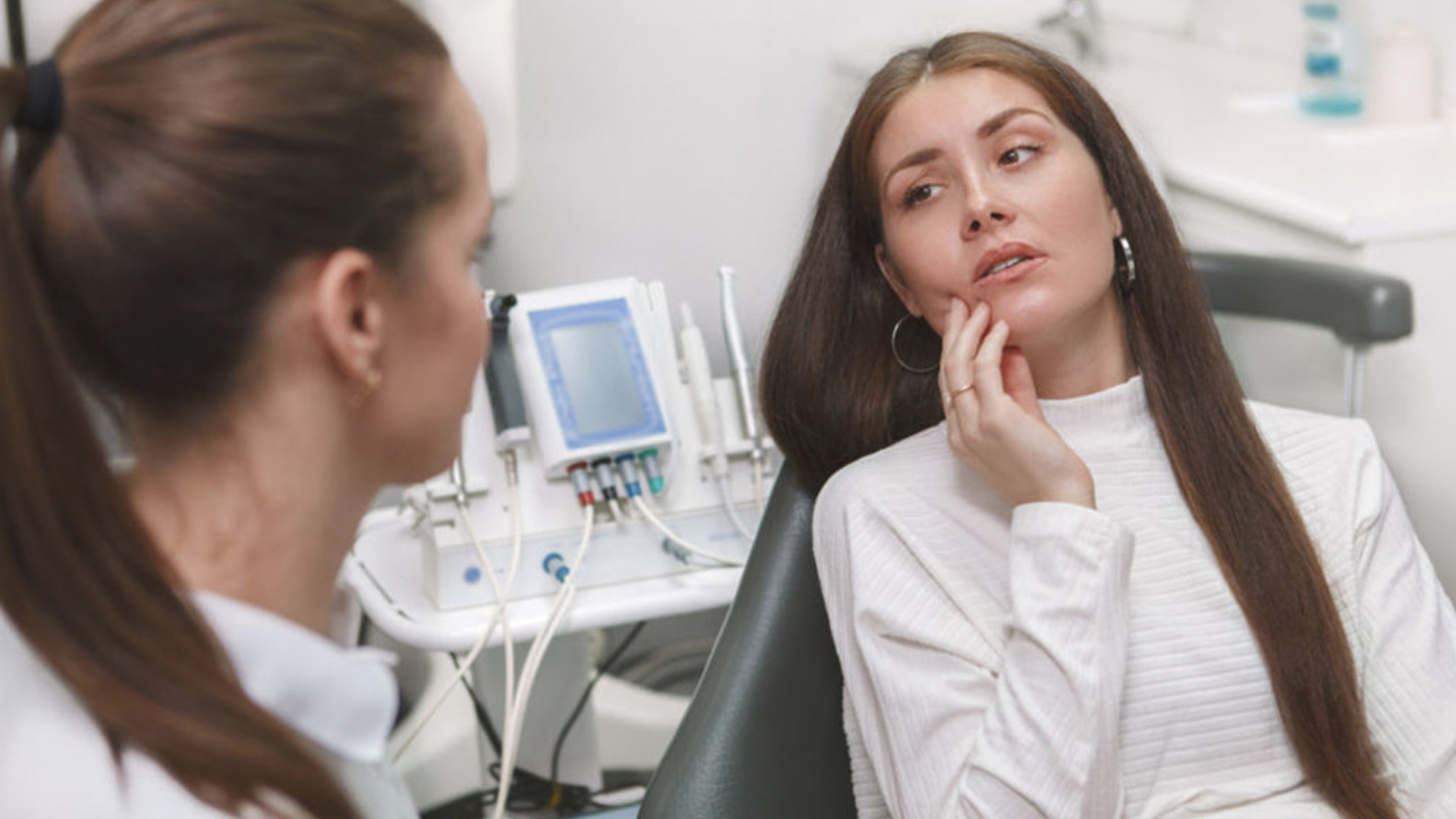
Dental emergencies have a way of wrecking an ordinary day. A chipped molar at breakfast, a crown that slips off before a meeting, a child who takes an elbow to the mouth at practice, a swelling that appears after dinner and gets worse by the hour, none of these problems care whether your calendar is full or whether the timing feels inconvenient. When something goes wrong in your mouth, it can affect pain, speech, sleep, eating, confidence, and sometimes your overall health surprisingly fast.
That is why people often search for an Emergency Dentist Ventura not because they enjoy urgent dental visits, but because delay tends to make a manageable problem harder, more painful, and more expensive. In practice, many emergencies are not dramatic in the movie sense. They are ordinary situations that become urgent because teeth, gums, nerves, and bone do not have much patience. A crack deepens. An infection spreads. Bleeding continues. A knocked out tooth has a narrow window for the best chance of saving it.
The phrase “100 helpful reasons” might sound broad, but that is exactly the point. People call emergency dental offices for far more than unbearable toothaches. They call because a front tooth broke before a wedding. They call because they cannot chew on one side. They call because a wisdom tooth flared up on a holiday weekend. They call because a denture snapped and they cannot function at work without it. They call because a child says, very quietly, “My tooth feels funny,” and a parent knows something is off.
Below, you will find a practical guide to the many situations that justify making that call today rather than next week.
When “I can wait” is usually the wrong instinct
A surprising number of patients talk themselves out of urgent care at first. They take ibuprofen, rinse with salt water, avoid chewing on one side, and hope morning will fix it. Sometimes symptoms do settle for a few hours. That can be misleading. Dental pain often ebbs and surges, especially when pressure changes or inflammation shifts around the tooth. Temporary relief does not mean the problem is gone.
The bigger issue is that dental infections and structural damage rarely reverse on their own. A cavity that reaches the nerve does not heal itself. A fractured cusp does not reattach. A deep gum abscess does not disappear because you got through one decent night of sleep. Calling promptly gives you a chance to preserve more tooth structure, reduce the risk of complications, and get clear advice on whether you need immediate treatment, same day imaging, or home care until your appointment.
I have seen people wait on a “minor” broken filling only to return days later with cold sensitivity so severe they could not drink water comfortably. I have also seen the opposite, patients who called early for what felt like a nuisance and ended up avoiding root canal therapy because the issue was caught before the pulp became irreversibly inflamed. Timing matters more than people think.
The practical value of speaking to an emergency dental team
A strong emergency practice does more than offer a chair and an X ray. It helps you triage the situation. That alone is valuable. If you have active bleeding, facial swelling, a knocked out tooth, or a severe bite problem after trauma, you want instructions right away, not after an online search spiral.
When you call an Emergency Dentist Ventura office, the benefit is often immediate. A trained team can tell you whether to bring the tooth fragment, keep a knocked out tooth moist in milk, avoid placing aspirin on the gum, use a cold compress, or head to an ER first if breathing or swallowing is affected. Those are not small details. They can change the outcome.
There is also the issue of pain control and function. If a front crown comes off, speech and appearance become urgent even if pain is mild. If a molar cracks under a filling, chewing may be nearly impossible. If an infection builds pressure under the tooth, concentrating at work can become unrealistic. Emergency dentistry is not only about life threatening scenarios. It is also about restoring normal function quickly and sensibly.
The hidden costs of waiting too long
People often worry that an emergency appointment will be expensive. Sometimes it is. More often, postponement is what drives the larger bill. A simple recemented crown is cheaper than replacing a lost crown after the underlying tooth decays or fractures. A small chip polished and bonded is easier than rebuilding a shattered incisor later. Early treatment can also reduce time away from work, prevent after hours ER visits that do not solve the dental source, and spare you multiple appointments for a problem that could have been handled in one visit if caught sooner.
There is a quality of life cost, too. Poor sleep from throbbing pain can leave you foggy and irritable. Avoiding food because chewing hurts can lead to headaches, low energy, and just plain misery. Parents know how quickly a child with mouth pain stops eating normally. Adults do the same, they simply complain less about it.
The 100 reasons, plainly stated
Not every situation below means the same level of urgency, but every one is a reasonable cause to pick up the phone and ask for guidance or a same day evaluation.
| # | Reason to call today | Why it matters | |---|---|---| | 1 | Severe toothache that does not ease up | Persistent pain often signals nerve inflammation or infection | | 2 | Throbbing pain that wakes you at night | Night pain commonly points to an irritated or infected pulp | | 3 | Sharp pain when biting down | Could indicate a crack, abscess, or ligament injury | | 4 | Sudden sensitivity to cold that lingers | Lingering sensitivity suggests deeper decay or nerve involvement | | 5 | Sudden sensitivity to heat | Heat pain can be a red flag for pulp damage | | 6 | Swelling in the gum near a tooth | Local swelling may mean an abscess is forming | | 7 | Swelling in the cheek or jaw | Facial swelling can spread and deserves prompt care | | 8 | Bad taste in the mouth with pain | Drainage from an infection often causes this | | 9 | Pus near the gumline | This is a classic sign of infection | | 10 | Fever with dental pain | Infection may be affecting more than the tooth itself | | 11 | A knocked out permanent tooth | Fast action offers the best chance of saving it | | 12 | A loose permanent tooth after trauma | Tooth support may be damaged and needs stabilization | | 13 | A tooth pushed out of position | Repositioning is time sensitive | | 14 | A broken front tooth | Function and appearance both matter here | | 15 | A chipped tooth with exposed dentin | Exposure can trigger pain and further damage | | 16 | A cracked molar | Cracks tend to worsen under chewing pressure | | 17 | A split tooth | Immediate evaluation may help preserve part of it | | 18 | A fractured cusp around a filling | Sharp edges and instability can escalate quickly | | 19 | A lost filling with sensitivity | The exposed area can decay or become painful fast | | 20 | A lost crown | The tooth underneath can shift, hurt, or fracture | | 21 | A loose crown that rocks when chewing | Movement can irritate the tooth and gum | | 22 | A bridge that comes loose | It affects bite, speech, and the health of supporting teeth | | 23 | Veneer loss on a front tooth | This can leave the tooth exposed and vulnerable | | 24 | A dental implant crown that falls off | Retention issues should be checked before damage occurs | | 25 | A loose implant restoration | Movement around implants should never be ignored | | 26 | Denture breakage | Eating and speaking can become difficult immediately | | 27 | Partial denture clasp snaps | It may injure tissue or stop fitting safely | | 28 | Denture sore spots that become ulcers | Prolonged rubbing can make oral tissue quite painful | | 29 | A retainer that cracks and cuts the mouth | Soft tissue injury and tooth movement are concerns | | 30 | Braces wire poking into the cheek or gum | Tissue trauma can get worse within hours | | 31 | Orthodontic bracket comes off and the tooth hurts | Movement or irritation may need quick adjustment | | 32 | Bleeding that does not stop after dental work | Ongoing bleeding needs direct guidance | | 33 | Bleeding after a tooth injury | Trauma can affect both soft tissue and bone | | 34 | A blood clot seems lost after extraction and pain rises | Dry socket is painful and often needs treatment | | 35 | Severe pain a few days after extraction | This pattern often fits dry socket or infection | | https://judahdnwm358.opalvector.com/posts/fast-relief-options-from-an-emergency-dentist-ventura 36 | Numbness that persists after trauma | Nerve involvement should be assessed | | 37 | Jaw pain after being hit in the face | Bite changes and fractures are possible | | 38 | You cannot close your teeth together normally | Sudden bite changes suggest displacement or fracture | | 39 | Difficulty opening the mouth because of swelling | This can accompany infection or trauma | | 40 | Difficulty swallowing with dental swelling | This raises the urgency significantly | | 41 | Trouble breathing due to facial swelling | This is an emergency requiring immediate action | | 42 | A wisdom tooth flare with gum swelling | Pericoronitis can become very painful quickly | | 43 | Food trapped under a gum flap around a wisdom tooth | Bacteria thrive there and symptoms can spike fast | | 44 | Jaw stiffness with a wisdom tooth infection | Infection and inflammation may be spreading | | 45 | A canker sore that is unusually large and traumatic | Sometimes it needs protection or evaluation | | 46 | A cut lip or gum that may need dental assessment | Tooth trauma often accompanies soft tissue injuries | | 47 | Glass or tooth fragments in the mouth after an accident | Debris and hidden fractures are common | | 48 | A sports injury involving teeth | Timely dental care can save teeth and appearance | | 49 | A fall where teeth hit the ground | Even if pain is mild, roots or bone may be affected | | 50 | A car accident with jaw or tooth pain | Some injuries are not obvious right away | | 51 | A child’s permanent tooth is chipped | Early care helps protect the developing smile | | 52 | A child’s tooth turns gray after impact | Color change can mean internal damage | | 53 | A baby tooth is driven inward after a fall | Position matters because of the permanent tooth below | | 54 | A permanent tooth feels taller than the others after trauma | That can indicate displacement | | 55 | New pain under an old filling | Recurrent decay or fracture is possible | | 56 | Pain under a crown when chewing | The tooth or crown fit may be compromised | | 57 | A root canal tooth hurts and swells | Retreatment or urgent care may be needed | | 58 | A cracked root is suspected | This can progress to infection or tooth loss | | 59 | Gum swelling around an implant | Infection around implants should be addressed early | | 60 | Persistent food packing between two teeth | It can cause gum damage and decay quickly | | 61 | Sharp edge from a broken tooth cuts your tongue | Comfort and further breakage are concerns | | 62 | A tooth becomes suddenly dark after injury | Internal bleeding inside the tooth can occur | | 63 | One area of the gum is tender and puffy | Localized infection can form fast | | 64 | You feel a bump on the gum above a painful tooth | A fistula often indicates chronic infection | | 65 | Sudden bad breath linked with one tooth | Infection or trapped decay may be the source | | 66 | Pain spreads toward the ear or temple | Referred dental pain can become disabling | | 67 | Sinus pressure seems tied to an upper tooth | Upper molar infections can mimic sinus problems | | 68 | You cannot chew on one side without pain | Function loss alone justifies prompt evaluation | | 69 | You are avoiding drinking cold water entirely | That level of sensitivity deserves attention | | 70 | Over the counter pain medicine is no longer helping | Escalating pain usually means escalation of disease | | 71 | You need urgent relief before travel | It is wiser to stabilize before leaving town | | 72 | You are in town visiting Ventura and have sudden pain | Temporary care can prevent a ruined trip | | 73 | A tooth breaks the day before a major event | Fast cosmetic and functional repair is often possible | | 74 | Your front tooth chips before a job interview | Appearance and confidence matter in real life | | 75 | A crown comes off before public speaking | Speech changes can be immediate | | 76 | Your bite feels off after new dental work | Adjustments are easier before soreness deepens | | 77 | You think food is stuck but floss shreds repeatedly | A hidden cavity or broken contact may be present | | 78 | A filling feels high and your tooth is becoming sore | Bite trauma can inflame the ligament quickly | | 79 | Gum tissue is trapped between teeth after trauma | It may need gentle professional release or care | | 80 | You hear a crack while chewing and now the tooth aches | Fresh fractures should be checked promptly | | 81 | There is visible decay with new pain | Decay that hurts is rarely a “watch and wait” issue | | 82 | A temporary crown falls off | Temporary restorations protect vulnerable teeth | | 83 | A temporary filling washes out | The tooth can become painful fast | | 84 | You clench at night and wake with a cracked tooth | Fracture patterns can worsen each night | | 85 | A bridge pontic area traps food painfully | Gum irritation can escalate into infection | | 86 | Severe gum pain around one tooth | Could be an abscess, fracture, or trapped debris | | 87 | A dental post loosens | Underlying tooth structure may be failing | | 88 | A screw retained implant crown feels mobile | Looseness should be corrected before damage occurs | | 89 | Your child has mouth pain and cannot explain where | Children often underreport pain until it is significant | | 90 | An elderly parent stops eating because of dental pain | Dehydration and weakness can follow quickly | | 91 | You have diabetes and a dental infection is flaring | Infections can be harder on blood sugar control | | 92 | You are pregnant and have severe dental pain | Prompt care and safe guidance are important | | 93 | Swelling returns after antibiotics ended | The source may still be active | | 94 | You broke a tooth on popcorn, ice, or a hard seed | These common accidents can expose deeper damage | | 95 | You notice a gap forming suddenly after trauma | Tooth movement may mean support loss | | 96 | A mouthguard no longer fits after a hit | Tooth position may have changed | | 97 | Your jaw clicks became pain and bite instability overnight | Sudden changes deserve examination | | 98 | A sinus lift or oral surgery site feels acutely wrong | Post surgical complications need prompt attention | | 99 | You are not sure whether it is serious, but something feels very wrong | Good triage starts with a call | | 100 | Peace of mind would keep you from waiting in pain all day | Reassurance and a plan have real value |
Some emergencies are dental, some belong in the ER first
An emergency dental office is the right first call for many urgent mouth and tooth problems, but not for every life threatening situation. If swelling affects breathing, swallowing becomes difficult, bleeding is heavy and uncontrolled, or trauma involves possible facial fractures, loss of consciousness, or major head injury, emergency medical care should come first. Good dental teams will tell you that plainly. The goal is not to funnel every crisis into a dental chair. The goal is to get you to the right care fast.
That distinction matters because people often bounce between settings when they are scared and hurting. Hospital emergency departments are essential for airway problems, severe infections, facial trauma, and systemic symptoms. Dental offices are best equipped to diagnose and treat the tooth, gum, bite, crown, bridge, and restoration issues that cause most urgent oral pain. Sometimes you need both. Knowing that early saves time.
What to do while you are arranging the visit
Until you are seen, a few practical steps can prevent the situation from getting worse and make you more comfortable.
- Rinse gently with warm salt water if the area is irritated and avoid very hot or very cold foods if they trigger pain.
- Use a cold compress on the outside of the face for swelling, usually in short intervals.
- If a tooth is knocked out, hold it by the crown, not the root, and keep it moist in milk or saliva if you have clear instructions to do so.
- Take over the counter pain medicine only as directed on the label, unless your physician has told you otherwise.
- Bring any broken pieces, crowns, aligners, or dental appliances with you to the appointment.
One detail worth stressing is what not to do. Do not place aspirin directly on the gum. It can burn the tissue. Do not glue a crown back with household adhesive. Do not keep testing a cracked tooth by biting on it “just to see.” Repeated pressure often turns a repairable fracture into a larger one.
Why same day judgment matters more than self diagnosis
People are often tempted to label their own problem. “It is probably just sensitivity.” “It is probably sinus pressure.” “It is probably my wisdom tooth again.” Sometimes they are right. Often they are half right. A sinus complaint can actually be an upper molar abscess. A sore gum can be food impaction caused by a cracked filling. A dark front tooth after trauma can stay painless for days while internal damage develops quietly.
That is where professional judgment matters. A careful exam, radiographs when appropriate, cold testing, percussion, bite assessment, and a look at the soft tissues can sort out whether you need monitoring, a simple repair, drainage, antibiotic support in select cases, a root canal referral, extraction planning, or a bite adjustment. The right answer is not always dramatic, but it is usually specific.
In my experience, patients feel better as soon as they understand what is happening. Even before treatment starts, clarity lowers the panic. The pain may still be real, but uncertainty fades. You know whether the goal is to save a tooth, quiet a nerve, stabilize a restoration, manage infection, or get through the weekend safely before definitive treatment.
Ventura patients often face timing issues that make quick care even more useful
Coastal communities bring their own rhythms. People surf, bike, hike, coach, travel, host visiting family, and spend time outdoors where accidents happen in very ordinary ways. A board to the mouth, a bike spill, a soccer collision, a kernel that cracks a filling during a movie, it adds up. The need for an Emergency Dentist Ventura practice is not theoretical. It is practical local medicine.
Ventura also sees plenty of commuters, shift workers, students, retirees, and visitors. Each group has its own urgency. A server with a broken front tooth may need same day cosmetic repair because public facing work starts in hours. A retiree with a swollen gum and a medical history may need quick infection management. A parent with a child in pain needs answers before bedtime, not next Thursday. Urgent dental care is often about keeping the rest of life from unraveling around one avoidable oral problem.
The best reason is often simple
There are plenty of clinical reasons to call, and the table above covers a lot of ground. Still, the most honest reason is often the simplest one: you know something is wrong, and waiting feels risky. That instinct is worth respecting. Teeth rarely send mixed signals for no reason. If pain is escalating, swelling is appearing, a tooth is moving, or you cannot function normally, that is enough.
An emergency call does not lock you into major treatment. It starts a conversation with people who can tell the difference between a nuisance, an urgent dental problem, and a true medical emergency. It can save a tooth, prevent a miserable night, reduce the chance of infection spreading, and spare you the regret that comes from saying, “I should have called yesterday.”
If any of those hundred reasons sounds familiar, today is a good day to make that call.
Avra Dental
1708 S Victoria Ave B, Ventura, CA 93003, United States
Phone: +1 805-765-3206
FAQ About Emergency Dentist Ventura
Can the ER do anything for tooth pain?
An emergency department can assess serious symptoms and provide temporary relief, but definitive dental treatment usually requires a dentist. Trouble breathing or swallowing, uncontrolled bleeding, or swelling spreading into the neck requires emergency medical care.
What do I do if I have a dental emergency and no dentist?
Contact a local emergency dental practice promptly, explain your symptoms, and ask about the earliest available assessment. Avra Dental provides emergency dentistry in Ventura; call to confirm availability. If you have life-threatening symptoms or a serious facial injury, go to an emergency department or call 911.
What do I do if tooth pain is unbearable?
Seek urgent dental assessment rather than waiting for the pain to pass. While arranging care, gently rinse with warm water and avoid placing aspirin directly on the tooth or gums. Severe pain with trouble breathing or swallowing, rapidly spreading swelling, or uncontrolled bleeding needs immediate emergency medical care.